A clear timeline from setting the goal to opening day, so your participation doesn't become a race against time.
Most exhibition problems don't appear on opening day. They start weeks earlier: a late design decision, print that wasn't approved, or organizer requirements nobody read. This timeline spreads the work over 12 weeks instead of squeezing it into the last few days.
Weeks 12–10: goal and space
- Set one main goal: leads, a product launch, or brand presence.
- Book your space and ask the organizer for the exhibitor manual; it lists the rules and deadlines.
- Set a rough budget per item: design and build, print, giveaways and staff.
Weeks 9–7: concept and design
- Start with the story a visitor should understand in seconds, then design the booth around it.
- Decide the booth type: shell scheme or custom build.
- Approve the 3D design and materials before week 7 so fabrication starts on time.
Weeks 6–3: fabrication and content
- Fabrication and print begin once design and quantities are approved.
- Prepare digital content: videos, screens and any interactive experience.
- Approve print and giveaways, and plan how you'll capture visitor details.
Final two weeks: build and test
- Confirm the build schedule and access passes with the organizer.
- Brief the booth team on one consistent message and likely visitor questions.
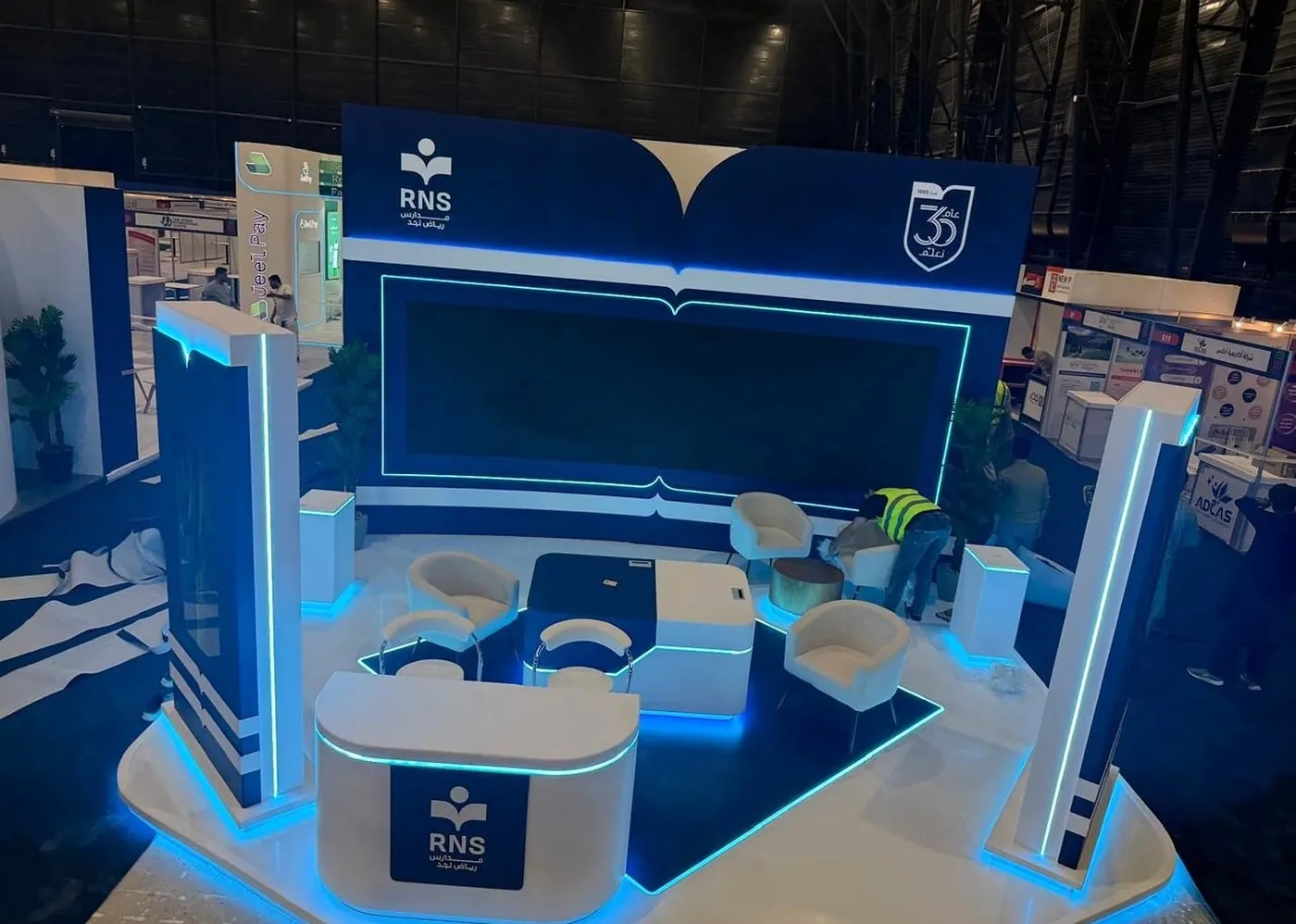
- Test screens, lighting and interactive elements the day before opening.
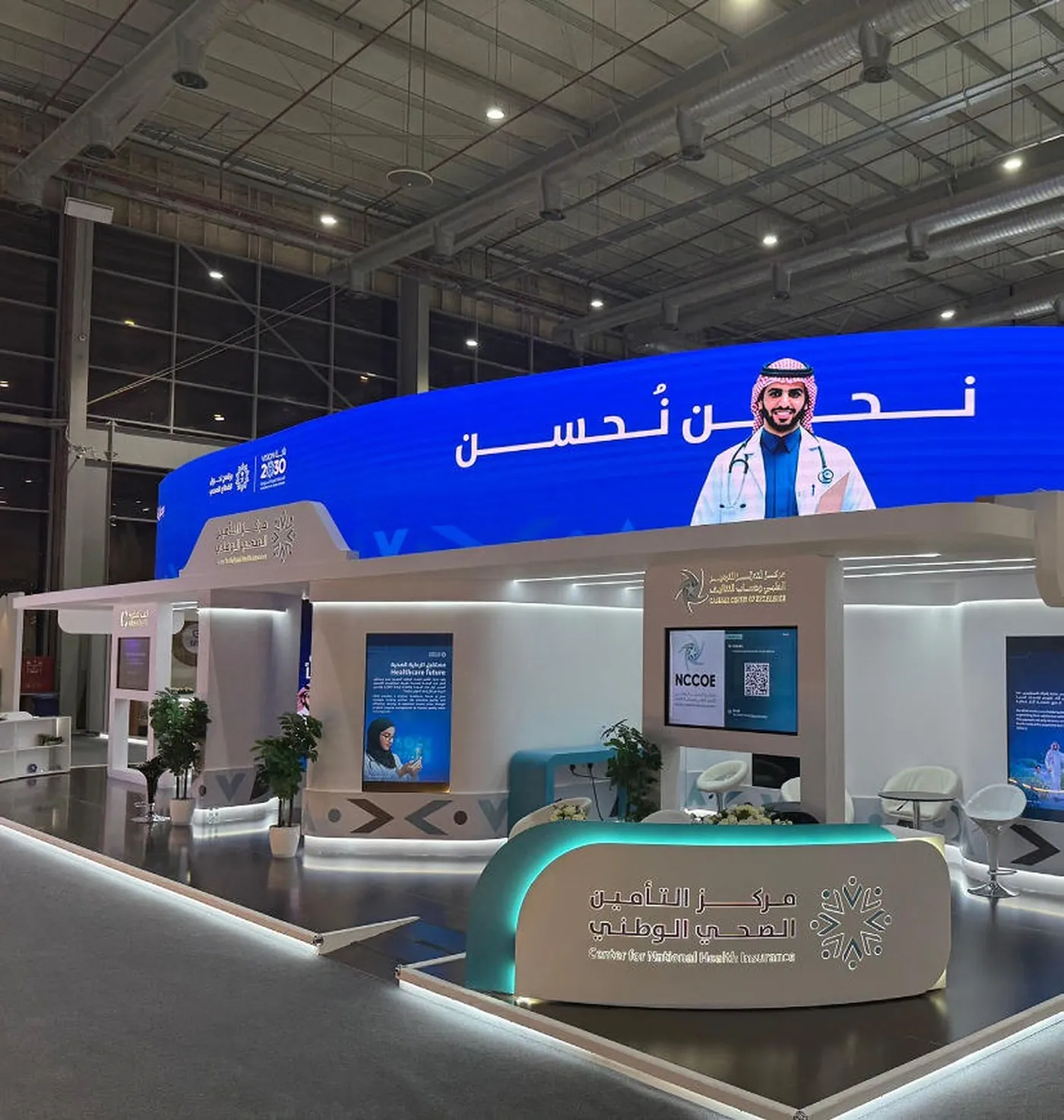
At 7G we follow these stages with clients from concept to handover, and we fabricate and install in-house, so we know where time usually gets lost and how to avoid it — as on the Center for National Health Insurance stand at Global Health.
Related serviceExhibition Stand Design & Build
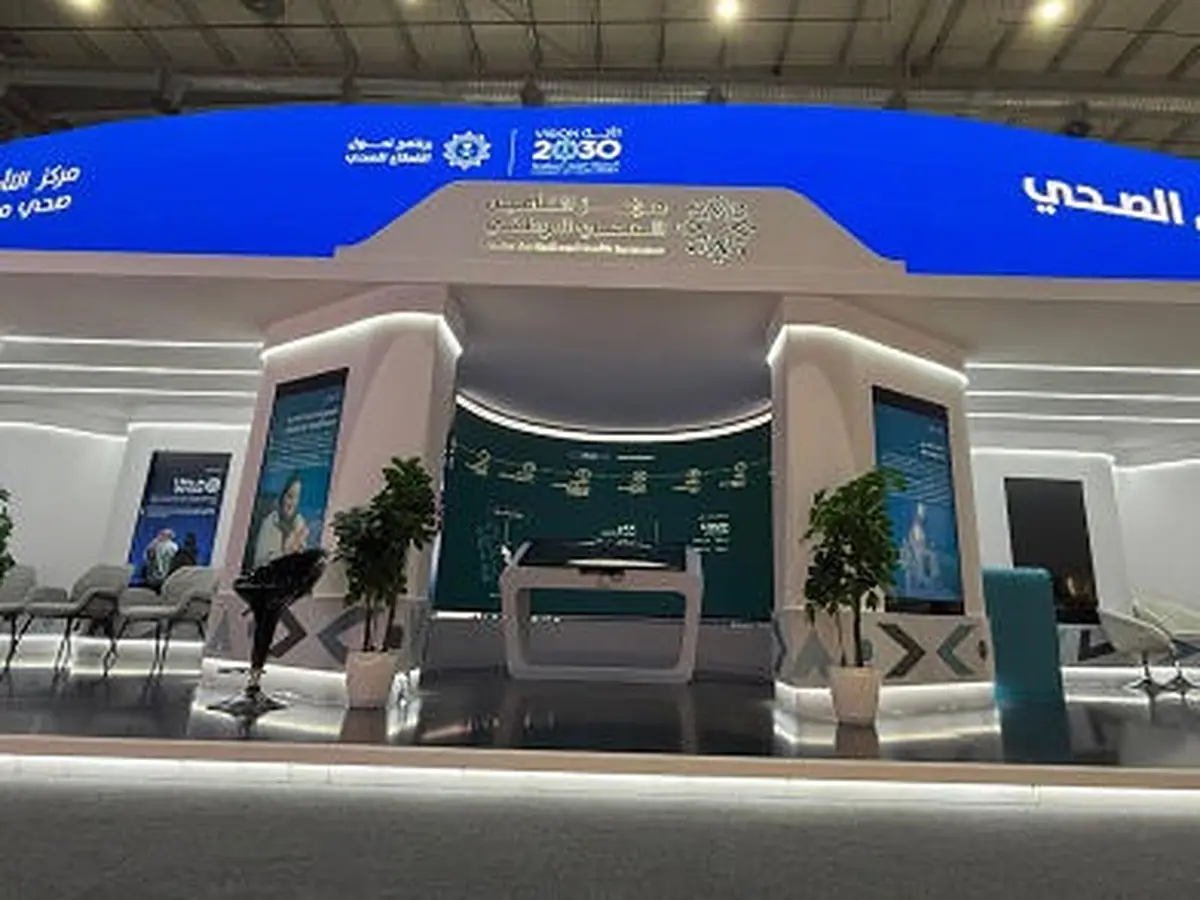 From our projectsCenter for National Health Insurance — Global Health Stand
Have an event or exhibition coming up?
Tell us the project type and date, and we'll prepare a concept and a quote.